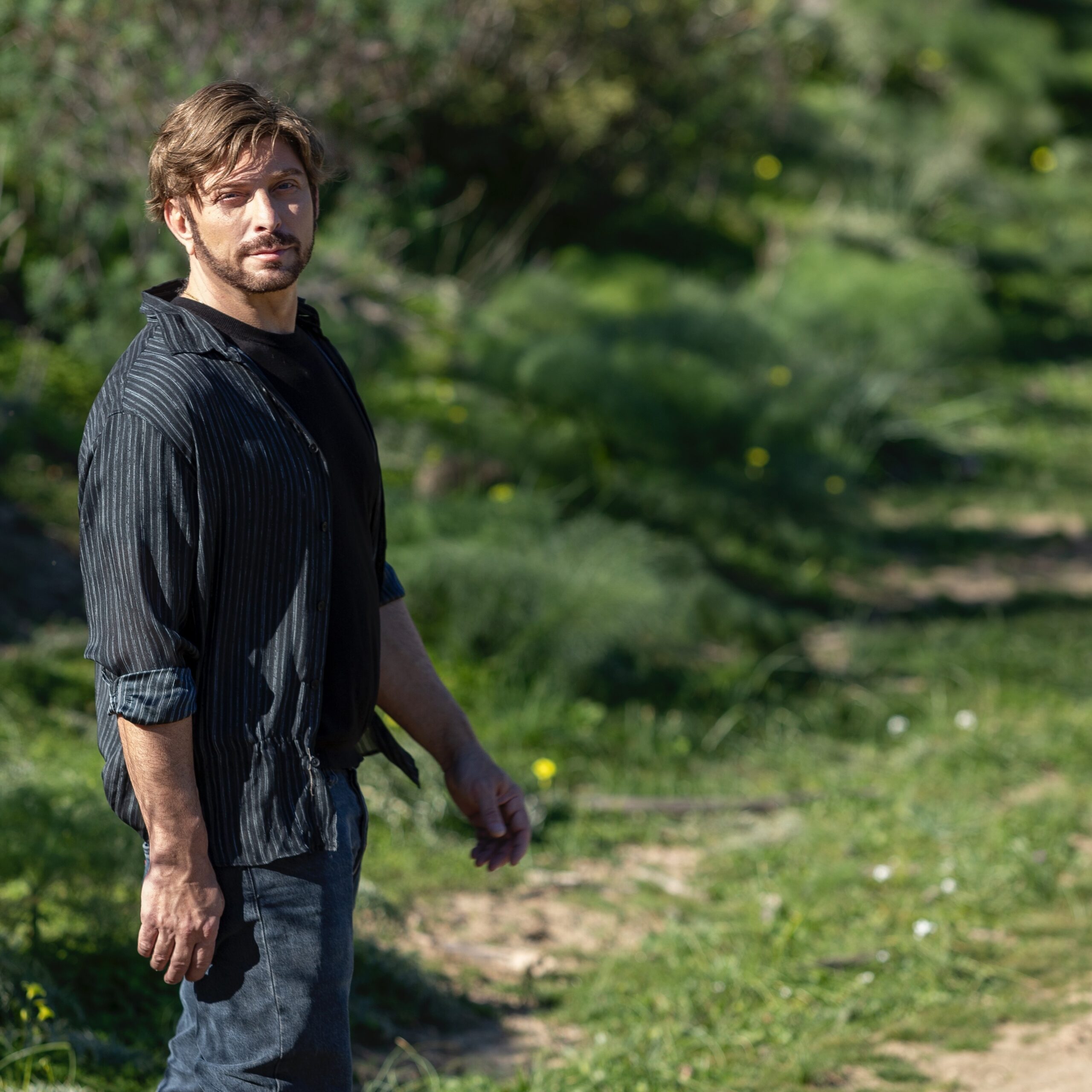
21 grammi by Giuseppe Cucè feels like stepping into a reflective diary set to music, where each track acts as a window into moments of intimacy, memory, and emotional transformation. From the outset, “È tutto così vero” announces itself with vibrant Latin rhythms, sparkling horns, and rhythmic percussion. The lively arrangement is immediately inviting, yet Cucè’s measured vocal delivery keeps the exuberance grounded, blending celebration with introspection.
The mood shifts with “Ventuno,” a contemplative ballad that relies on soft arpeggiated guitar, piano, and gentle percussive accents. Cucè’s vocals are tender, carrying the listener into the inner landscape of the album’s concept: the invisible weight of the soul. The orchestration is understated but precise, allowing every note to resonate with emotional intent, giving listeners a moment of pause and reflection.
Dynamic interplay defines “Fragile equilibrio,” where rhythmic piano, percussion, and strings create tension and movement. The song mirrors its title, balancing fragility and strength through both arrangement and delivery. Similarly, “La mia dea” combines stark piano with mournful violin, slowly building into an expansive orchestral arrangement. Cucè’s vocal performance conveys devotion and longing, making the track both intimate and cinematic.
“Cuore d’inverno” anchors the middle of the album. Its layered strings, timpani pulses, and evolving orchestration evoke the transition from cold introspection to quiet strength. The track exemplifies Cucè’s control over pacing and dynamic development, turning subtlety into emotional power. “Tutto quello che vuoi” brings levity, with energetic acoustic guitar, buoyant percussion, and rhythmic variation, providing a sense of playfulness and release after the intensity of earlier tracks.
With “Una notte infinita,” the album slows again. Synth textures and soft harmonic layers create a nocturnal, contemplative atmosphere. Cucè’s vocals remain intimate, carrying the emotional core of the song with minimal ornamentation. The album concludes with “Di estate non si muore” and the Latin reprise “El mundo es verdadero,” combining rhythmic energy, melody, and orchestral textures. The ending reinforces the cyclical nature of the album, tying together themes of transformation, memory, and emotional continuity.
Throughout 21 grammi, Giuseppe Cucè demonstrates mastery over orchestral and Mediterranean-inflected arrangements while maintaining intimate singer-songwriter sensibilities. The analog instrumentation, careful dynamics, and restrained production allow each track’s narrative and emotional resonance to shine. From energetic Latin rhythms to reflective ballads, the album moves fluidly through states of joy, contemplation, and vulnerability, inviting repeated listening. It is a work of emotional precision, a balance of intellect and feeling, and a testament to Cucè’s commitment to depth over immediacy.